Angela Wiseman
Bio
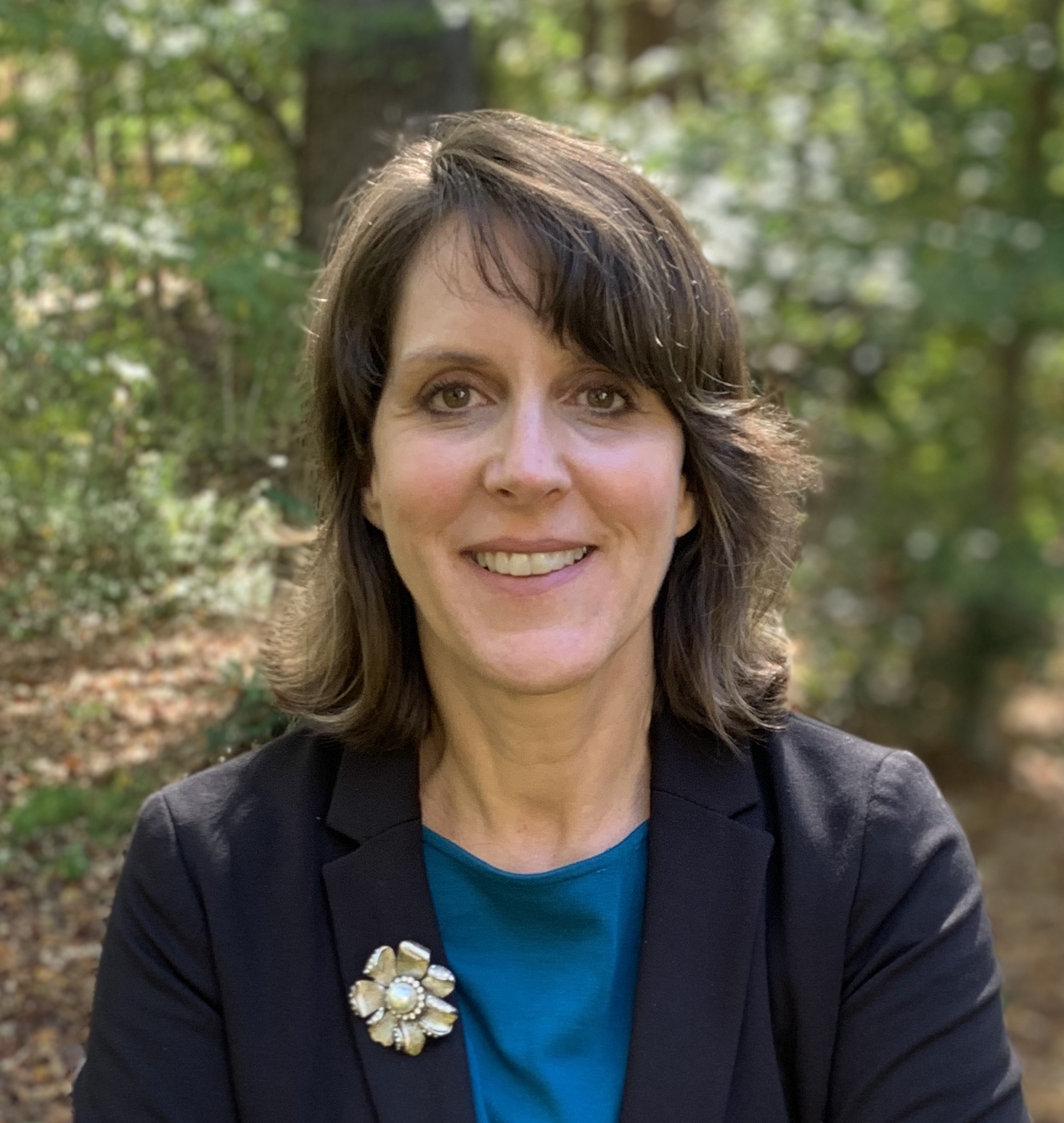
Angela Wiseman is an Associate Professor of Literacy Education at NC State University and is affiliated faculty of the Center for Visual Literacies at San Diego State University. Her research focus centers on developing and advancing critical visual and multimodal qualitative research methods to examine how people make meaning across educational contexts with a sustained commitment to equity and social justice. Three main strands emanate from this focus – visual and multimodal research methods, community engaged and trauma-informed literacy research, and children’s literature as a methodological and pedagogical medium. Angela has published in journals such as Journal of Children’s Literature, Journal of Adult and Adolescent Literacy, and Research in the Teaching of English and her work has been recognized through the 2026 AERA Semiotics SIG Book Award, the 2025 A.B. Herr Award for Distinguished Service in Literacy/Reading from ALER, and NC State’s 2025 Outstanding Engagement Award.
Angela is the director of the Literacy and Community Initiative, which is a collaboration between NC State’s College of Education, the Friday Institute for Educational Innovation, and the North Carolina Museum of Art. LCI partners with community-based organizations to amplify student voices through art and writing.
Angela is the co-PI of the grant Cultural Investigation and Digital Representation for Educators (CIDRE), a professional development program for inservice teachers that uses technology tools and literacy approaches in international contexts. CIDRE is funded by the Triangle Community Foundation’s Borchardt Fund.
Recent Publications:
Wiseman, A. M., Cappello, M., & Turner, J. D. (2025). Critical visual methods to advance racial justice in educational research: The seen and unseen. Routledge.
Wiseman, A. M., Cryer-Coupet, Q., & Atkinson, A.* (2025). Examining the potential of family literacy programs through the narratives of fathers in recovery. International Journal of Qualitative Studies in Education, 38(7), 972–989. https://doi.org/10.1080/09518398.2024.2425279
Wiseman, A. M., Lewis, B. P.*, Grifenhagen, J., & Dobis, C.* (2024). Imagining the world: Young children’s engagement with picturebook representations of cultural diversity. Journal of Children’s Literature, 50(2), 38–52.
Skrlac Lo, R., & Wiseman, A. M. (2024). ‘That’s my dumb husband’: Wild things, battle bears and heteronormative responses in an afterschool reading club. Journal of Early Childhood Literacy, 24(2), 445–470. https://doi.org/10.1177/14687984221079008
Knox, J., Cryer-Coupet, Q., & Wiseman, A. M. (2024). Correlates of adverse childhood experiences and secondary traumatic stress in school personnel. School Psychology, 39(5), 463–474. https://doi.org/10.1037/spq0000604
Area(s) of Expertise
children's literature, qualitative research, visual research methods, international/global partnerships
Grants
Cultural Investigations and Digital Representations for Educators (CIDRE) is a professional development program for K-12 teachers and administrators. The goal of the program is to prepare these educators to better integrate cultural lessons into teaching through the aid of media and technology to ultimately build greater cultural understanding among students in their classroom or institution. The program is funded by the Triangle Community Foundation's Borchardt Fund which underwrites costs for approximately 15 Triangle-area educators per year (Chatham, Durham, Orange, and Wake counties) to participate in professional development and two weeks of international travel in a designated host country. Approximately three Saturday classes are held at NC State before and after traveling abroad. Further work time, planned group excursions, and free time in the host country, allow educators to conduct investigations into cultural themes of personal interest, practice digital representations of those themes (e.g., multimedia maps, AR/VR, writing, documentary, analytics), and reflect on effective approaches to teaching culture with their peers. The $60k annual award will cover a minimal amount of faculty effort and summer salary, lodging in a host country (the largest expense), airfare for instructors only, some travel expenses for participants, transportation costs (city transit passes, coach reservations), ticket costs for cultural attractions, and a minimal amount of food for classes. The PI and Co-PI will: plan and teach class activities; arrange food for classes; maintain a web site and portfolio pages for participants (cidre.weebly.com); schedule a two-week trip abroad for participants including reservations for hotel, transportation, and cultural attractions; and prepare an annual report to the foundation due each September 15th.
 Communities United for Success in Family Literacy is a family literacy program designed to support formerly incarcerated adults and their children. This program features interactive sessions that promote reading at home to build academic growth while fostering positive relationships. Literacy sessions will be held at a local residential center where the majority of the adults have recently completed time in prison or jail. Sessions will be designed and facilitated by experts with experience in implementing educational programs for inmates. Programs will also be held at the public library in order to connect families with relevant community resources and support. In the United States, 1.7 million children have a family member in prison, yet the process of transitioning out of incarceration has received very little attention from educators, researchers, and policy makers (Schlafer, 2013). Communities United for Success in Family Literacy responds to this important societal need with a family-centered approach. This program targets formerly incarcerated adults and their children in the following ways: 1) Building literacy skills through informational sessions; 2) Connecting resources such as NC State, public libraries, community agencies, and non-profit organizations and; 3) Facilitating positive interactions and support among families during a time of transition.
This request for funding is to support and extend qualitative data analysis for an ethnographic study of a third grade classroom that incorporates visual and multimodal learning strategies. I collected data in this classroom on average twice a week from October 2008 to June 2009. This request for funding would support the second phase of research, which would involve collaborative data analysis, between the classroom teacher and me, with computer assisted video analysis software. Computer assisted qualitative data analysis software will be utilized to gain a deeper understanding of the students learning opportunities, the classroom context, and the instructional approach of the classroom teacher. The results of this study will further research methodologies explicating how computer assisted technology can assist in video data analysis by exploring and analyzing methodologies and computer programs that support researchers in this work. Furthermore, the integration of technology and collaborative analysis will support and extend the findings of my research, enhancing the credibility and scope of this project.
Groups
Honors and Awards
- Provost Faculty Fellow, Global Leadership Track 2023-2024
- Outstanding Teaching Award, NC State, 2018
- Community Engaged Faculty Fellow, 2014-present